Introduction
The National Impairment Insurance Scheme (NDIS) has become an essential framework for enhancing the quality of life for individuals with impairments in Australia. One of one of the most crucial components of client treatment within this scheme is ventilation training, which has acquired considerable traction over the last few years. With the demand for certified experts that can take care of complex respiratory tract and air flow needs surging, recognizing how airway and ventilation management NDIS ventilation training can change person treatment is vital. This post will certainly delve into various facets of ventilation training, stressing its impact on individual outcomes and the healthcare landscape in Australia.
Understanding NDIS Air flow Training
What is NDIS Air flow Training?
NDIS ventilation training describes specialized education created to gear up healthcare providers with necessary skills in respiratory tract monitoring and mechanical ventilation. Through structured programs, participants learn about ventilators, including their functions and setups, like ventilator stress assistance. A fundamental facet of this training is recognizing the intricacies associated with looking after clients who call for aid with breathing.
Importance of Ventilation Training Courses
Ventilation training programs are essential for making certain that health care experts are capable of delivering safe and effective care. With problems such as respiratory system failing or chronic obstructive lung ventilation management training illness (COPD), individuals usually count on ventilators to preserve ample oxygenation. By taking part in courses like a basic ventilator training course or more detailed NDIS ventilation training courses, nurses and other specialists end up being skilled at taking care of these innovative clinical devices.
Who Should Undertake NDIS Ventilation Training?
- Nurses: Nurses play a crucial function in client care, specifically in critical care unit (ICUs) where mechanical ventilation is commonplace. Allied Health Professionals: Physio therapists and breathing therapists likewise benefit from this specialized training to boost their clinical skills. Support Workers: Those functioning straight with patients requiring assisted air flow has to be educated effectively to respond properly to emergencies.
The Function of Ventilator Educating for Nurses
Essential Abilities Acquired via Ventilator Training
Ventilator training programs concentrate on furnishing registered nurses with certain competencies needed for reliable person administration:
Airway Management: Comprehending just how to establish and maintain an open respiratory tract is fundamental. Monitoring Ventilator Settings: Registered nurses find out just how to adjust ventilator setups according to real-time individual needs. Recognizing Problems: Early identification of prospective issues connected to mechanical ventilation can considerably improve outcomes.Benefits of Specialized Educating for Patient Care
The assimilation of ventilator training right into nursing education and learning leads to boosted patient safety and security, enhanced interaction amongst healthcare teams, and much better overall outcomes by decreasing difficulties related to incorrect ventilator use.
Ventilator Stress Assistance: What Is It?
Understanding the Principle of Stress Support Ventilation
Pressure support ventilation (PSV) is a mode where the ventilator helps clients by offering a predetermined degree of stress during inhalation. It's specifically beneficial for clients that can initiate their breaths yet require help with airflow.
When Is Pressure Assistance Used?
This setting is commonly used in situations such as:
- Patients recuperating from surgery Individuals experiencing severe respiratory system distress Long-term air flow situations where weaning off mechanical support is required
Tracheostomy and Ventilator Training: An Essential Combination
Why Is Tracheostomy Important?
A tracheostomy allows straight access to the respiratory tract through an incision made in the trachea. For numerous clients requiring long-lasting ventilation, this procedure becomes required when conventional endotracheal intubation stops working or is not feasible.
Integrating Tracheostomy Management right into Ventilation Courses
Courses concentrating on tracheostomy management cover:
- Techniques for caring for tracheostomy tubes Emergency methods associated with dislodgement or blockage Best practices for sucking and keeping respiratory tract patency
Comprehensive Respiratory tract Administration and Ventilation Techniques
The Relevance of Comprehensive Airway Monitoring Skills
Effective respiratory tract monitoring includes not simply maintaining patency but also making sure that ideal oxygenation occurs throughout therapy. This consists of understanding different techniques such as CPAP (Continuous Favorable Respiratory Tract Pressure) or BiPAP (Bilevel Favorable Airway Stress).

Key Parts Covered in Airway Management Training:
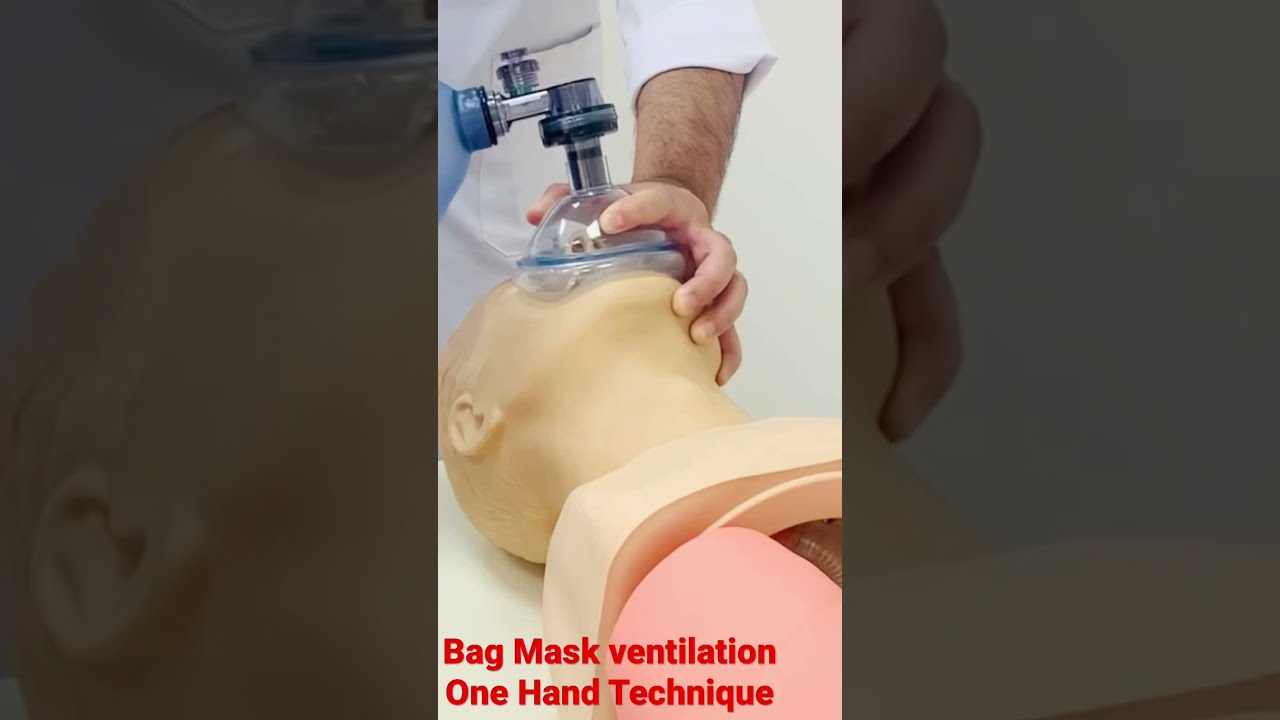
Recognizing indications of air passage compromise Performing bag-mask air flow effectively Implementing advanced air passage techniques when necessaryNDIS Air flow Course: Educational Program Overview
Core Components Provided in an NDIS Ventilation Course
Introduction to Mechanical Ventilation Patient Assessment Techniques Setting Up and Troubleshooting Equipment Ethical Factors to consider in Person CareHands-On Knowing Experiences
Practical sessions are important components of these training courses, enabling participants to engage straight with equipment under expert supervision.
Benefits of Enrolling in an NDIS Ventilation Training Course
Enhanced Individual End results through Enhanced Skills
Professionals trained via certified programs get skills that directly affect client security and comfort degrees throughout treatment.
Fostering Partnership Amongst Medical care Teams
Training enhances interaction abilities among team members responsible for patient care, leading to better-coordinated efforts when resolving intricate cases.
Addressing Usual Mistaken beliefs regarding NDIS Air Flow Training
1. Isn't Anybody Qualified Enough Already?
While numerous healthcare workers have foundational knowledge, specialized training ensures they are geared up with current techniques tailored particularly towards modern obstacles dealt with during mechanical air flow therapy.
2. Will Training courses Be As well Time Consuming?
Many organizations use versatile scheduling options permitting professionals to stabilize work commitments while pursuing their education and learning without frustrating themselves.
FAQs Concerning NDIS Ventilation Training
What does an NDIS ventilation course usually cover? An NDIS air flow program generally consists of components on mechanical ventilators, troubleshooting techniques, ethical factors to consider around care shipment, and hands-on session designed to build confidence among participants.
How long does it take to finish an NDIS ventilation training course? The duration may vary; nevertheless, lots of courses are structured over several weeks with adaptable scheduling alternatives offered depending upon specific needs.
Can I pursue additional expertise after completing fundamental ventilator courses? Definitely! Numerous registered nurses choose advanced accreditations focusing on specific locations like pediatric air vent monitoring or essential care methods after completing fundamental courses.
Are there online choices available? Yes! Lots of establishments now supply digital courses together with conventional classroom setups providing towards those needing more flexibility due to function schedules or personal commitments.
Do I require prior experience before enrolling? While some background knowledge can be valuable, several programs welcome newbies anxious to discover respiratory tract monitoring techniques despite previous direct exposure levels!
What qualifications will certainly I make upon completion? Participants normally get certification confirming their effectiveness upon effectively completing all designated coursework including practical analyses showing expertise levels achieved during hands-on sessions!
Conclusion: The Future Impact of NDIS Ventilation Training on Patient Care
As we navigate through the intricacies bordering medical care shipment today-- particularly concerning prone populaces-- the relevance put upon knowledgeable experts can not be overstated! Just how NDIS ventilation training can transform person treatment in Australia exists not just within instant advantages translucented improved safety measures but also shows more comprehensive modifications happening throughout systems striving towards enhanced general quality standards promoted by dedicated experts dedicated toward promoting environments helpful towards healing outcomes worthwhile sufficient for every single Australian person deserving sensible health and wellness treatments regardless circumstance dealt with along life's journey ahead!
In recap: Spending time right into durable education and learning paths concentrated around improving capability inevitably benefits everyone involved-- from boosting specific caregiver abilities right down towards positively influencing collective experiences shared among those getting crucial services given daily throughout neighborhood communities nationwide!